

Mr Juan Agustin Soler-Fernandez
CONSULTANT ORTHOPAEDIC SURGEON
Home » Hip Conditions » Hip Dysplasia
If you’re experiencing persistent hip or groin pain, instability, or reduced mobility, hip dysplasia may be the underlying cause.
Early diagnosis and appropriate treatment can help relieve symptoms, improve joint function and reduce the risk of developing arthritis later in life.
As a specialist hip and knee surgeon in Wirral, Cheshire, I diagnose and treat hip dysplasia using both non-surgical and surgical treatments.
From your initial consultation through to rehabilitation, I provide personalised care tailored to your symptoms, lifestyle, and long term goals, ensuring you receive the most appropriate treatment for your condition.
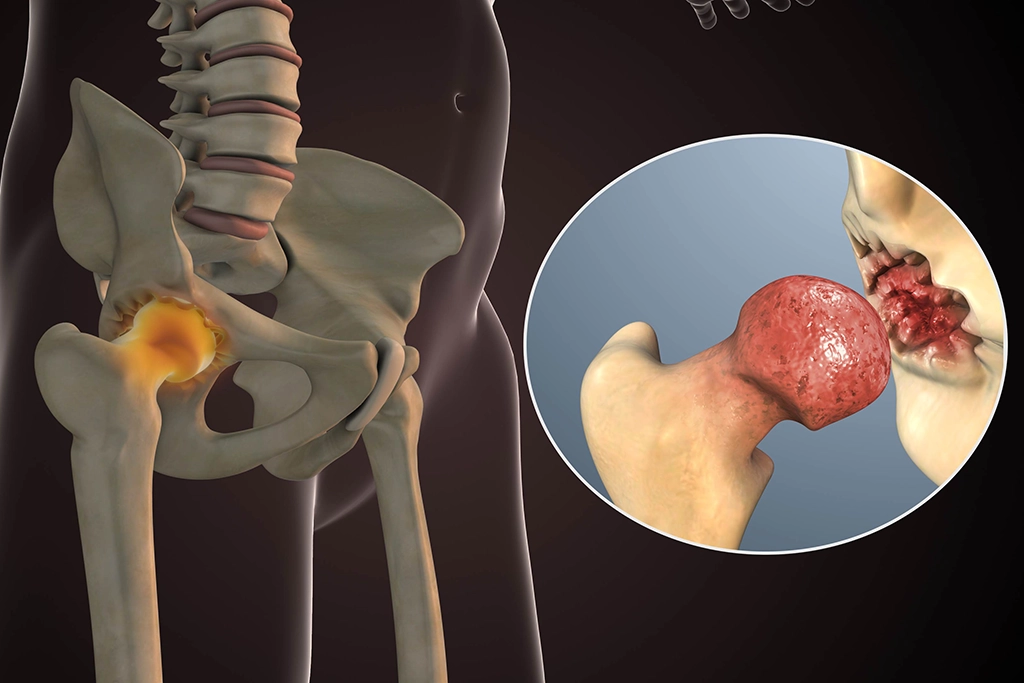
Hip dysplasia is a condition in which the hip socket does not fully cover or support the ball of the hip joint. This results in increased stress on the cartilage and surrounding soft tissues, making the joint less stable and more prone to damage over time.
Although hip dysplasia is present from birth, some people experience no symptoms during childhood and are only diagnosed in adolescence or adulthood. Others may develop symptoms gradually as the abnormal shape of the joint leads to wear and tear.
Common symptoms include pain in the groin or side of the hip, stiffness, clicking or catching sensations, and discomfort during activities such as walking, running or standing for long periods. If left untreated, hip dysplasia can increase the risk of developing early osteoarthritis.
Early assessment is important to identify the condition and determine the most appropriate treatment before significant joint damage occurs.
Treatment for hip dysplasia depends on the severity of the condition, your age, the extent of any joint damage, and your symptoms. The aim is to relieve pain, improve hip stability and preserve the natural joint wherever possible.
Treatment options may include:
During your consultation, I will explain the most appropriate treatment options based on your individual circumstances. If the hip joint has sustained significant damage or arthritis has developed, a hip replacement may provide the most effective long term solution.
Treatment is recommended for patients whose symptoms are affecting their mobility, comfort, or ability to carry out everyday activities.
You may benefit from treatment if you experience:
During your consultation, I will assess your symptoms, examine your hip, and review any X-rays or MRI scans before recommending the most appropriate treatment plan for your condition and lifestyle.
Every patient with hip dysplasia has different symptoms and treatment goals. From diagnosis and treatment planning through to rehabilitation, I provide personalised care focused on preserving your hip function and improving your quality of life.
Together, we will discuss all appropriate treatment options, from conservative management through to surgery where necessary, ensuring you have the information you need to make an informed decision about your care.
During your consultation, I will explain the most appropriate treatment options based on your individual circumstances.
If hip pain, instability, or reduced mobility is affecting your daily life, please get in touch to arrange a consultation and find out how treatment for hip dysplasia can help you move more comfortably and confidently.
Choosing a surgeon is an important decision. Read verified patient reviews to learn about their experiences with Mr Agustín Soler-Fernandez, from their initial consultation through to recovery and follow-up care.
Trusted by patients for specialist expertise, clear communication and compassionate, personalised care.