

Mr Juan Agustin Soler-Fernandez
CONSULTANT ORTHOPAEDIC SURGEON
Home » Knee Conditions » MCL Injuries
If you’ve injured the inside of your knee following a sporting accident, fall, or awkward twisting movement, you may have damaged your medial collateral ligament (MCL).
Early diagnosis and appropriate treatment can help relieve pain, restore stability, and get you back to your normal activities as quickly and safely as possible.
As a specialist knee surgeon in Wirral, Cheshire, I diagnose and treat MCL injuries using both non-surgical and surgical techniques.
From your initial consultation through to rehabilitation, I provide personalised care tailored to your injury, lifestyle, and activity level, helping you achieve the best possible recovery.
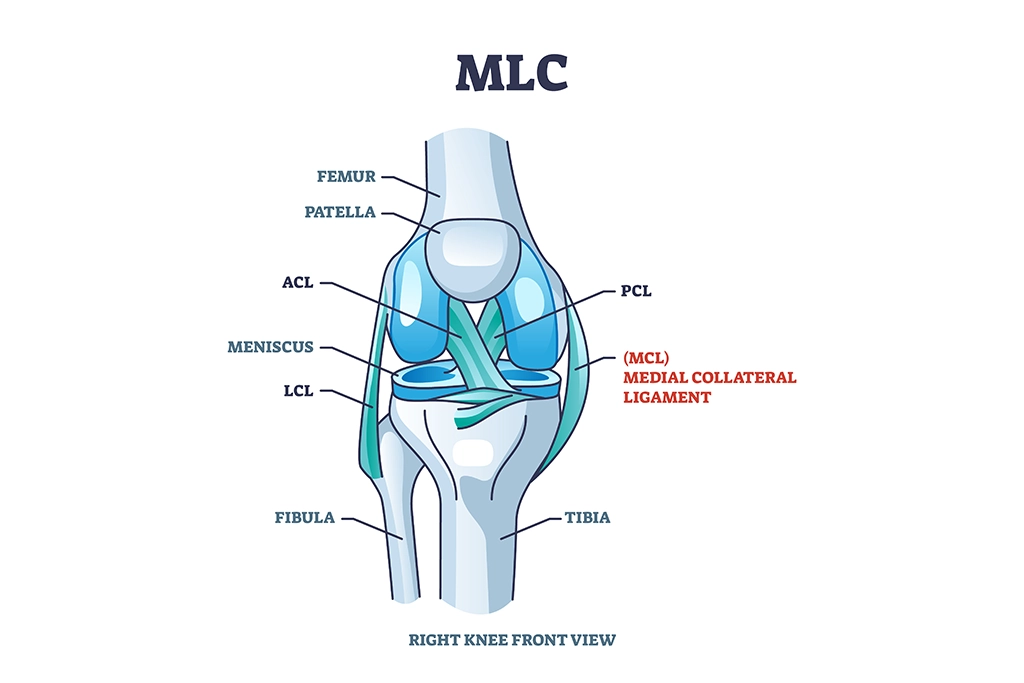
The medial collateral ligament (MCL) is a strong band of tissue that runs along the inside of the knee. It connects the thigh bone (femur) to the shin bone (tibia) and helps prevent the knee from bending inwards while providing stability during movement.
MCL injuries are among the most common knee ligament injuries and frequently occur during contact sports such as football and rugby. They can also result from skiing accidents, falls or sudden twisting movements that place excessive force on the inside of the knee.
The severity of an MCL injury can range from a mild sprain, where the ligament is stretched, to a complete tear. Symptoms often include pain and tenderness along the inside of the knee, swelling, stiffness and difficulty walking. More severe injuries may cause a feeling of instability, particularly when changing direction or bearing weight.
Many MCL injuries occur alongside damage to other structures within the knee, such as the ACL or meniscus. A thorough clinical assessment and, where appropriate, MRI scanning help determine the full extent of the injury and the most suitable treatment.
Treatment for an MCL injury depends on the severity of the damage, whether other knee structures have also been injured and your activity level. The aim is to relieve pain, restore stability and help you return safely to your normal activities.
Treatment options may include:
During your consultation, I will explain the most appropriate treatment options based on your individual circumstances. The majority of isolated MCL injuries heal successfully with non-surgical treatment, while surgery may be recommended if there are associated ligament injuries or persistent instability.
Treatment is recommended for patients whose MCL injury is affecting their knee stability, mobility or ability to work, exercise or participate in sport.
You may benefit from treatment if you experience:
During your consultation, I will assess your symptoms, examine your knee, and review any imaging before recommending the most appropriate treatment plan to support your recovery and help prevent future injury.
From diagnosis and treatment planning through to rehabilitation, I provide personalised care focused on restoring knee stability, reducing pain and helping you return to your normal activities with confidence.
Together, we will discuss all appropriate treatment options, from conservative rehabilitation through to surgical repair or reconstruction where necessary, ensuring you have the information you need to make an informed decision about your care.
During your consultation, I will explain the most appropriate treatment options based on your individual circumstances.
If you’ve injured the inside of your knee and are experiencing pain, swelling or instability, please get in touch to arrange a consultation and find out how treatment for an MCL injury can help you recover safely and regain confidence in your knee.
Choosing a surgeon is an important decision. Read verified patient reviews to learn about their experiences with Mr Agustín Soler-Fernandez, from their initial consultation through to recovery and follow-up care.
Trusted by patients for specialist expertise, clear communication and compassionate, personalised care.