

Mr Juan Agustin Soler-Fernandez
CONSULTANT ORTHOPAEDIC SURGEON
Home » Knee Treatments » Meniscus Surgery
If you have a torn meniscus that is causing persistent pain, swelling, or your knee is locking, meniscus surgery may help restore comfort, improve movement, and get you back to the activities you enjoy.
The meniscus is a crescent-shaped piece of cartilage that acts as a shock absorber between the thigh bone and shin bone. Injury or wear and tear can cause the meniscus to tear, leading to pain and restricted movement.
Meniscus surgery is usually performed using keyhole (arthroscopic) techniques, allowing treatment with minimal disruption to the surrounding tissues.
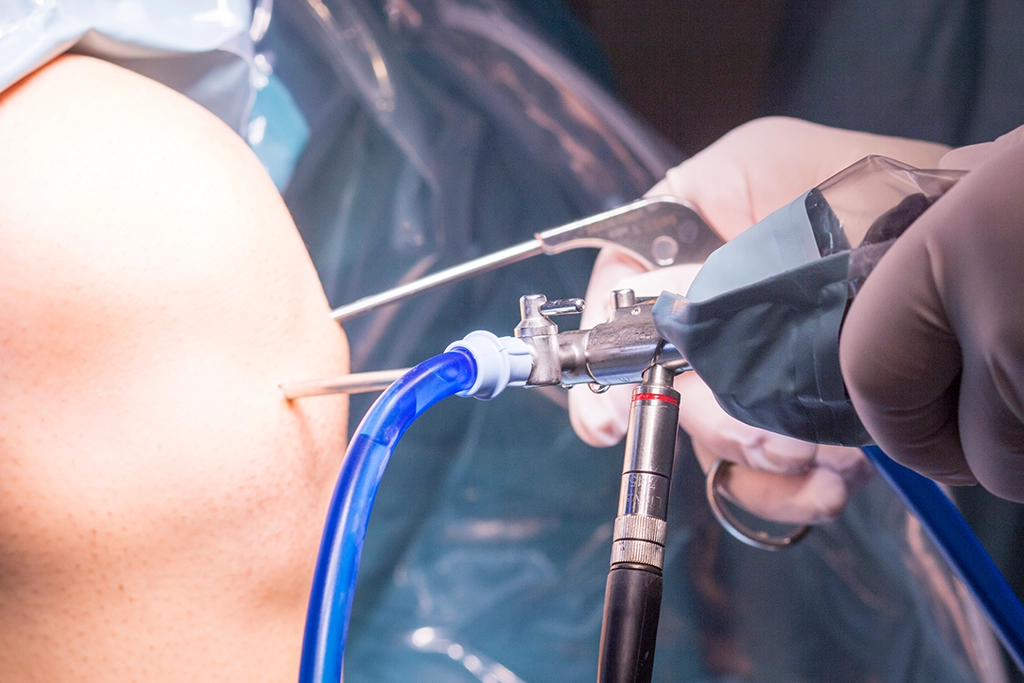
Meniscus surgery is a minimally invasive procedure used to treat tears within the knee’s cartilage. During a knee arthroscopy, a small camera and specialised instruments are inserted through tiny incisions to examine the inside of the joint.
Depending on the location and type of tear, the damaged meniscus may be repaired using specialised stitches or, where repair is not possible, the torn section may be carefully trimmed to preserve as much healthy cartilage as possible. Whenever appropriate, preserving the meniscus is the preferred option, as it plays an important role in protecting the knee joint over the long term.
The most suitable treatment will depend on factors including your age, activity level, the pattern of the tear and the overall condition of your knee.
Meniscus surgery may be recommended when symptoms persist despite physiotherapy, rest and other non-surgical treatments, or if the knee is mechanically locking due to the tear.
You may be a suitable candidate if you experience:
During your consultation, I will assess your symptoms, examine your knee and review your imaging before recommending whether surgery is the most appropriate treatment.
For many patients, meniscus surgery provides effective relief from symptoms while improving knee function and stability.
Early treatment may also help reduce further damage to the joint where appropriate.
Potential benefits include:
Recovery depends on whether the meniscus has been repaired or partially removed. Patients who undergo a partial meniscectomy often return to normal daily activities within a few weeks, while a meniscus repair usually requires a longer period of rehabilitation to allow the cartilage to heal.
Following surgery, you will begin a structured physiotherapy programme designed to restore strength, flexibility and confidence in your knee. Adhering to your rehabilitation plan is essential to achieving the best possible long-term outcome.
A damaged meniscus can cause knee pain, swelling, stiffness, catching or locking, making walking, exercise and everyday activities difficult. When symptoms persist despite non-surgical treatment, meniscus surgery may be considered.
Meniscus surgery is usually performed using keyhole techniques. Depending on the location and type of tear, the damaged meniscus may be repaired or the unstable portion carefully removed while preserving as much healthy tissue as possible.
Following a thorough assessment, Mr Agustín Soler-Fernandez will explain whether meniscus surgery is appropriate for you, which procedure may be recommended and what to expect during recovery.
From your initial consultation through to surgery and follow-up care, Mr Agustín Soler-Fernandez will provide specialist guidance to help relieve your symptoms, restore knee function and support your return to everyday activities.
Choosing a surgeon is an important decision. Read verified patient reviews to learn about their experiences with Mr Agustín Soler-Fernandez, from their initial consultation through to recovery and follow-up care.
Trusted by patients for specialist expertise, clear communication and compassionate, personalised care.